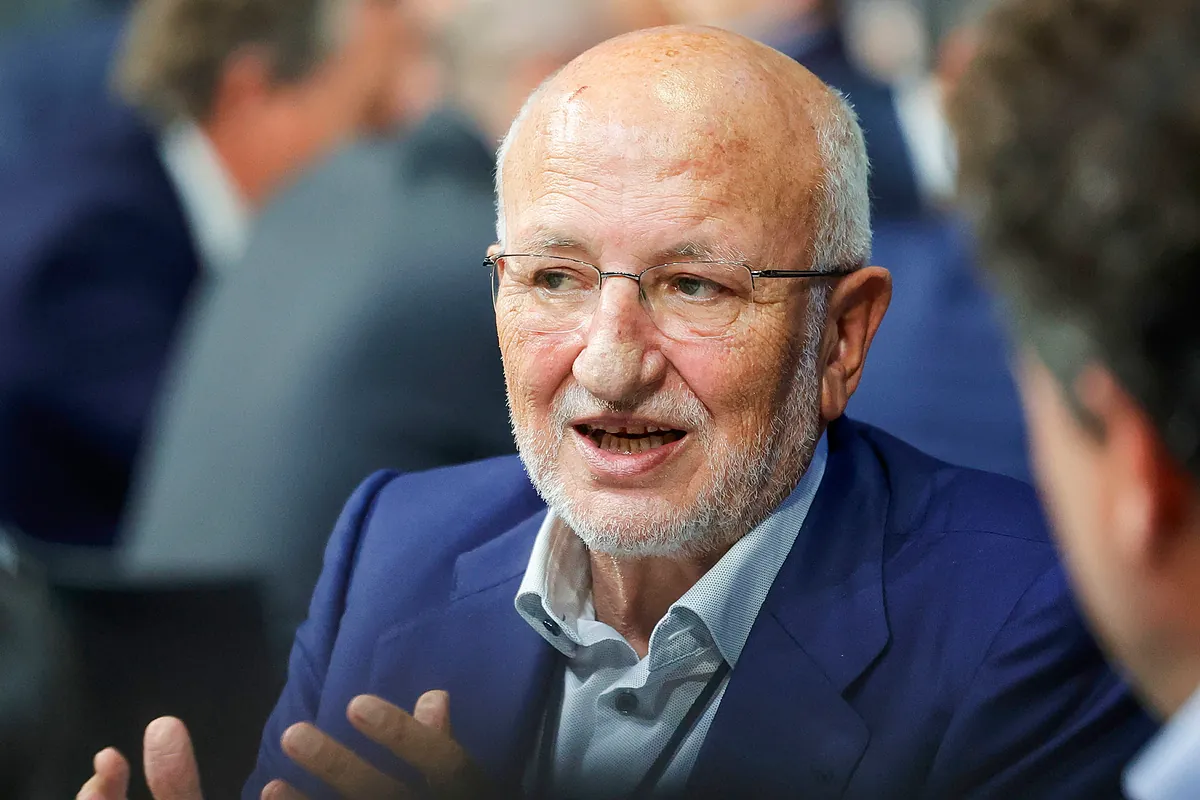
In an era when many of the world’s wealthiest individuals are focused on preservation, diversification, or quiet exits, Juan Roig has chosen a more active path. In April 2026, the Mercadona chairman made headlines by reinvesting approximately €220 million of his personal wealth back into the economy—an intentional move that underscores a philosophy he has followed for decades.
The capital, derived from dividends and personal holdings, is being deployed across a portfolio of entrepreneurial ventures and social initiatives, with a particular emphasis on the Valencia region. These investments are expected to support early-stage businesses, strengthen innovation networks, and contribute to broader regional development efforts. It is a strategy that blurs the line between private enterprise and public good.
Roig’s approach is neither impulsive nor symbolic. It reflects a disciplined, long-term view of wealth as a tool for regeneration rather than accumulation. By continuously recycling capital into productive ecosystems, he reinforces a model of economic participation that prioritises growth, resilience, and shared prosperity.
Valencia, long at the centre of Roig’s business and philanthropic focus, stands to benefit most immediately. Beyond the direct financial injection, the reinvestment is likely to catalyse job creation, attract talent, and accelerate the development of new industries. In this sense, the €220 million figure is less a headline number and more a multiplier—its true impact unfolding over time through the ventures it enables.
There is also a broader signal embedded in this decision. At a moment when questions around inequality, corporate responsibility, and the social role of capital are intensifying, Roig’s actions offer a clear counter-narrative. Rather than extracting value, he is compounding it within the same communities that contributed to his success.
This is not philanthropy in the traditional sense, nor is it purely commercial investment. It sits somewhere in between—a hybrid model where financial returns and social outcomes are not mutually exclusive, but interdependent.
Roig’s €220 million reinvestment ultimately serves as a reminder that capital, when actively deployed, can shape more than balance sheets. It can influence the trajectory of regions, redefine the responsibilities of leadership, and set a standard for what long-term value creation might look like in modern Europe.